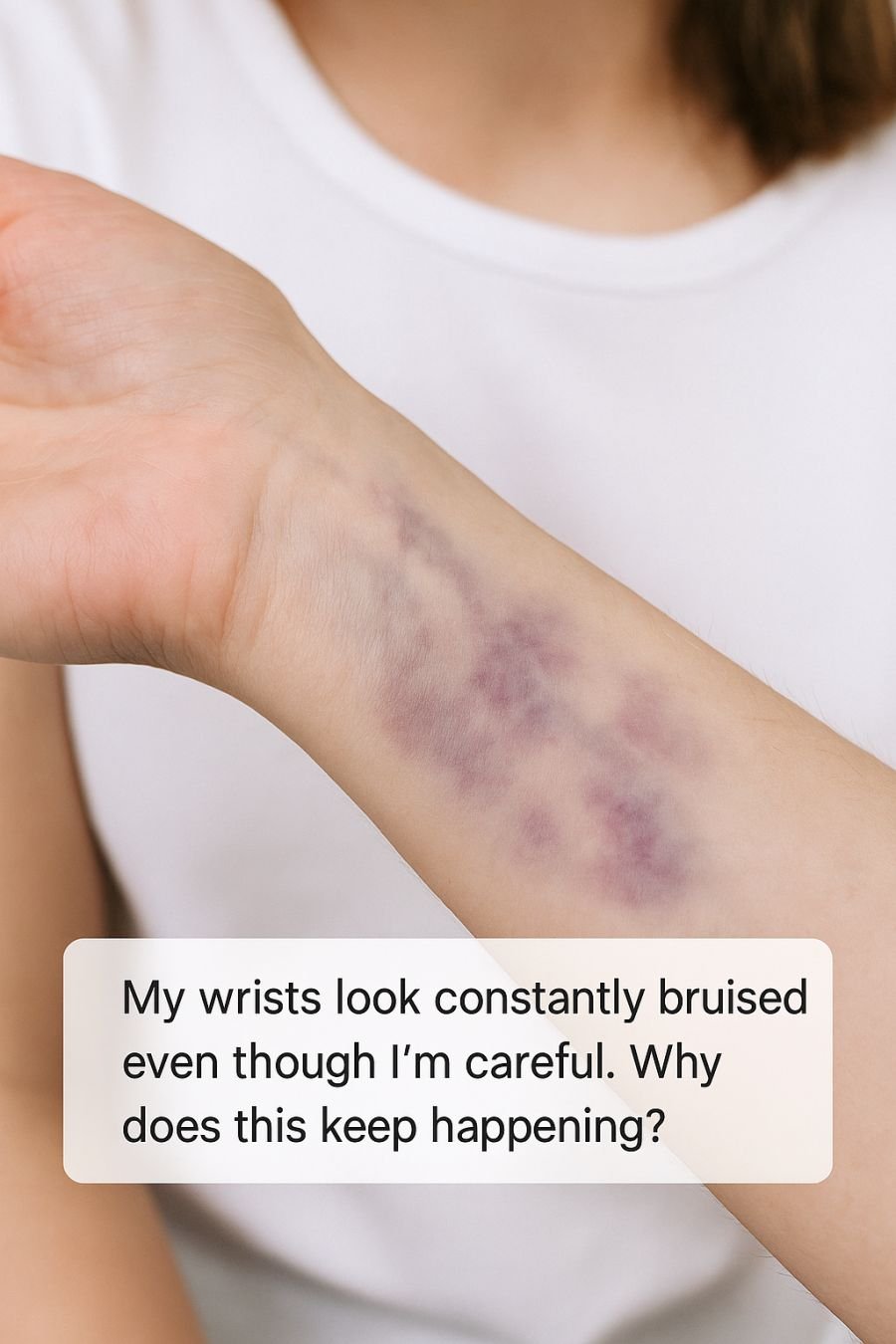
Bruises are a common occurrence, often associated with minor injuries or bumps that we may not even remember. However, for some people, especially those who are careful in their daily activities, the appearance of constant bruising on the wrists can be perplexing and concerning. If you are one of those individuals who notice that their wrists look perpetually bruised despite taking precautions, you are not alone. Many factors can contribute to this phenomenon, and understanding these can help alleviate worry and guide you towards potential solutions.
Wrist bruising can be caused by various factors, ranging from benign and easily managed to more serious underlying health issues. In this article, we will explore common reasons why your wrists might appear bruised, even when you have been careful, and discuss when it might be time to seek medical advice. By identifying the root cause, you can take appropriate steps to address the issue and improve the health of your skin and overall well-being.
1. When “Bruises” Aren’t Really Bruises At All
Sometimes, what appears to be a bruise may not actually be a bruise. Discoloration on the skin, especially around the wrists, can be mistaken for bruising but might be due to other factors such as hyperpigmentation or a skin condition like eczema. These conditions can cause changes in skin color without the typical pain and tenderness associated with bruises. Observing the duration and characteristics of the discoloration can help differentiate between a true bruise and other skin conditions.
In some cases, particularly for individuals with fair skin, the veins and capillaries beneath the skin are more visible, which can also give the appearance of bruising. This is particularly true in areas with less subcutaneous fat, like the wrists, where the underlying blood vessels are closer to the skin’s surface. Understanding these nuances can prevent unnecessary concern and help in identifying the appropriate treatment or lifestyle adjustments needed.
2. Capillary Fragility: The Hidden Culprit Behind Easy Wrist Bruising
Capillary fragility refers to the tendency of small blood vessels to break easily, leading to bruising. This condition can be caused by several factors including genetics, lifestyle, and nutritional deficiencies. When capillaries are weak, even minor pressure or trauma that wouldn’t normally cause a bruise can result in noticeable discoloration.
Some individuals have a genetic predisposition to fragile capillaries, which can be exacerbated by factors such as aging, where the skin and blood vessels naturally lose some of their elasticity and strength. Ensuring adequate intake of vitamins C and K can help strengthen capillaries, as these nutrients play a crucial role in collagen production and blood clotting, respectively.
3. Everyday Micro-Traumas You Don’t Notice But Your Skin Does
Our wrists are active parts of our bodies, involved in countless movements and interactions throughout the day. Even when we’re careful, simple actions like typing, using a smartphone, or wearing a watch can cause micro-traumas to the skin and underlying tissues. These tiny injuries may not be painful or even noticeable at the time but can lead to bruising, especially in individuals with sensitive skin or fragile capillaries.
Activities such as exercising, carrying heavy bags, or even sleeping in an awkward position can also contribute to these micro-traumas. Being mindful of how these daily actions impact your wrists can help reduce the occurrence of bruising. For instance, using ergonomic tools and taking regular breaks during repetitive activities can minimize stress on the wrists.
4. How Age, Hormones, And Genetics Make Your Wrists More Vulnerable
As we age, our skin becomes thinner and loses some of its protective fatty layer, making it more susceptible to bruising. This natural aging process, combined with hormonal changes, particularly in women during menopause, can exacerbate the issue. Estrogen plays a role in maintaining the integrity of blood vessels, and lower levels during menopause can lead to increased bruising.
Genetics also play a significant role in how easily one bruises. If you have a family history of easy bruising, it is likely that you might experience the same. Understanding these factors can help in managing expectations and taking proactive steps to minimize bruising, such as protecting the skin with sunscreen and moisturizers, which can help maintain skin elasticity and protect against damage.
5. Medications And Supplements That Can Turn A Bump Into A Big Bruise
Certain medications and supplements can increase the likelihood of bruising by affecting blood clotting or the integrity of blood vessels. Common culprits include blood thinners like aspirin and warfarin, as well as non-steroidal anti-inflammatory drugs (NSAIDs) such as ibuprofen. These medications interfere with the blood’s ability to clot, making even minor injuries more likely to result in bruises.
Supplements like fish oil and vitamin E, known for their blood-thinning properties, can also contribute to increased bruising. It’s important to discuss with your healthcare provider any medications or supplements you are taking if you notice increased bruising, as they might need to adjust dosages or explore alternative options.
6. Vitamin Deficiencies And Nutrition Gaps That Weaken Blood Vessels
A lack of essential vitamins in your diet can lead to weakened blood vessels and increased bruising. Vitamin C is crucial for the synthesis of collagen, a protein that helps maintain the strength and integrity of skin and blood vessels. A deficiency in vitamin C can lead to increased capillary fragility and bruising. Similarly, vitamin K plays a vital role in the blood clotting process, and its deficiency can result in easier bruising and prolonged bleeding.
Ensuring a diet rich in fruits, vegetables, and leafy greens can help mitigate these deficiencies. Foods like citrus fruits, berries, broccoli, and spinach are excellent sources of vitamin C and K. If dietary adjustments are not sufficient, supplementation may be necessary under the guidance of a healthcare professional.
7. Underlying Blood And Clotting Disorders You Shouldn’t Ignore
While occasional bruising is typically harmless, consistent and unexplained bruising could be indicative of an underlying blood or clotting disorder. Conditions such as hemophilia, von Willebrand disease, or thrombocytopenia affect the blood’s ability to clot properly and can lead to frequent bruising.
If you experience other symptoms such as excessive bleeding from minor cuts, frequent nosebleeds, or blood in your urine or stool, it is crucial to seek medical evaluation. Blood tests can help diagnose these conditions, and early intervention can prevent complications and improve quality of life.
8. When Wrist Bruising Signals An Autoimmune Or Connective Tissue Problem
Autoimmune disorders such as lupus or vasculitis can cause inflammation of blood vessels or connective tissues, leading to increased bruising. These conditions often present with other symptoms such as joint pain, fatigue, and skin rashes. Similarly, connective tissue disorders like Ehlers-Danlos syndrome, characterized by overly flexible joints and stretchy skin, can lead to easy bruising due to the fragility of blood vessels.
Identifying these conditions involves a thorough medical evaluation, including blood tests and possibly imaging studies. If diagnosed, management typically involves medications to control the immune response and physical therapy to support joint and skin health.
9. Fitness, Wearables, And “Grip” Accessories That Can Mark Up Your Skin
Fitness activities and the use of wearables like watches or fitness trackers can lead to wrist bruising. Tight straps or bands can cause pressure on the skin and underlying tissues, especially during extended use or vigorous activities like weightlifting or cycling.
Similarly, grip accessories such as wrist wraps or gloves can contribute to bruising if they are too tight or if the skin is sensitive. Ensuring that wearables are the right size and fit comfortably can help minimize bruising. Additionally, taking breaks from wearing these devices can allow your skin to recover and reduce the risk of bruising.
10. Viral Bruising “Hacks” And TikTok Trends That Can Actually Harm Your Wrists
In the age of social media, viral trends and hacks often promise quick fixes or enhancements but can sometimes cause more harm than good. Some trends involve using tight bands or wraps around the wrists to achieve certain aesthetic effects or to mimic health benefits, which can restrict blood flow and lead to bruising.
It’s important to approach these trends with caution and a healthy dose of skepticism. Consulting with a healthcare professional before trying any new health or beauty trend can prevent unnecessary harm and ensure that your approach to skincare and health is safe and effective.
11. Simple Lifestyle Tweaks To Protect Fragile Capillaries
Protecting fragile capillaries and reducing bruising can often be achieved through simple lifestyle changes. Maintaining a diet rich in vitamins and antioxidants can strengthen your skin and blood vessels. Staying hydrated is also crucial, as well-hydrated skin is more resilient and less prone to injury.
Wearing protective clothing or padding during activities that pose a risk of injury can also help. Additionally, being mindful of how you move and interact with objects, and using ergonomic tools to minimize strain on your wrists can reduce the occurrence of bruising. Regular exercise can improve circulation and vascular health, further protecting against bruising.
12. What A Doctor Will Check If You Come In With Constant Wrist Bruises
When you visit a doctor for constant wrist bruising, they will likely conduct a thorough medical history and physical examination to identify potential causes. They may ask about any medications or supplements you are taking, as well as your dietary habits and any recent changes in your health.
Blood tests might be ordered to check for clotting disorders, vitamin deficiencies, or signs of inflammation. In some cases, imaging studies may be necessary to rule out other conditions. Based on the findings, your doctor will discuss treatment options or lifestyle changes to help manage the bruising.
13. Red-Flag Symptoms That Mean You Need Urgent Medical Attention
While many causes of bruising are benign, certain symptoms alongside bruising warrant immediate medical attention. These include severe pain, swelling, or warmth around the bruised area, which could indicate an infection or deep vein thrombosis.
If bruising is accompanied by symptoms such as unexplained bleeding, persistent fatigue, fever, or sudden changes in weight, these could be signs of a more serious underlying condition. In such cases, seeking prompt medical evaluation is crucial to address any potential health issues and prevent complications.