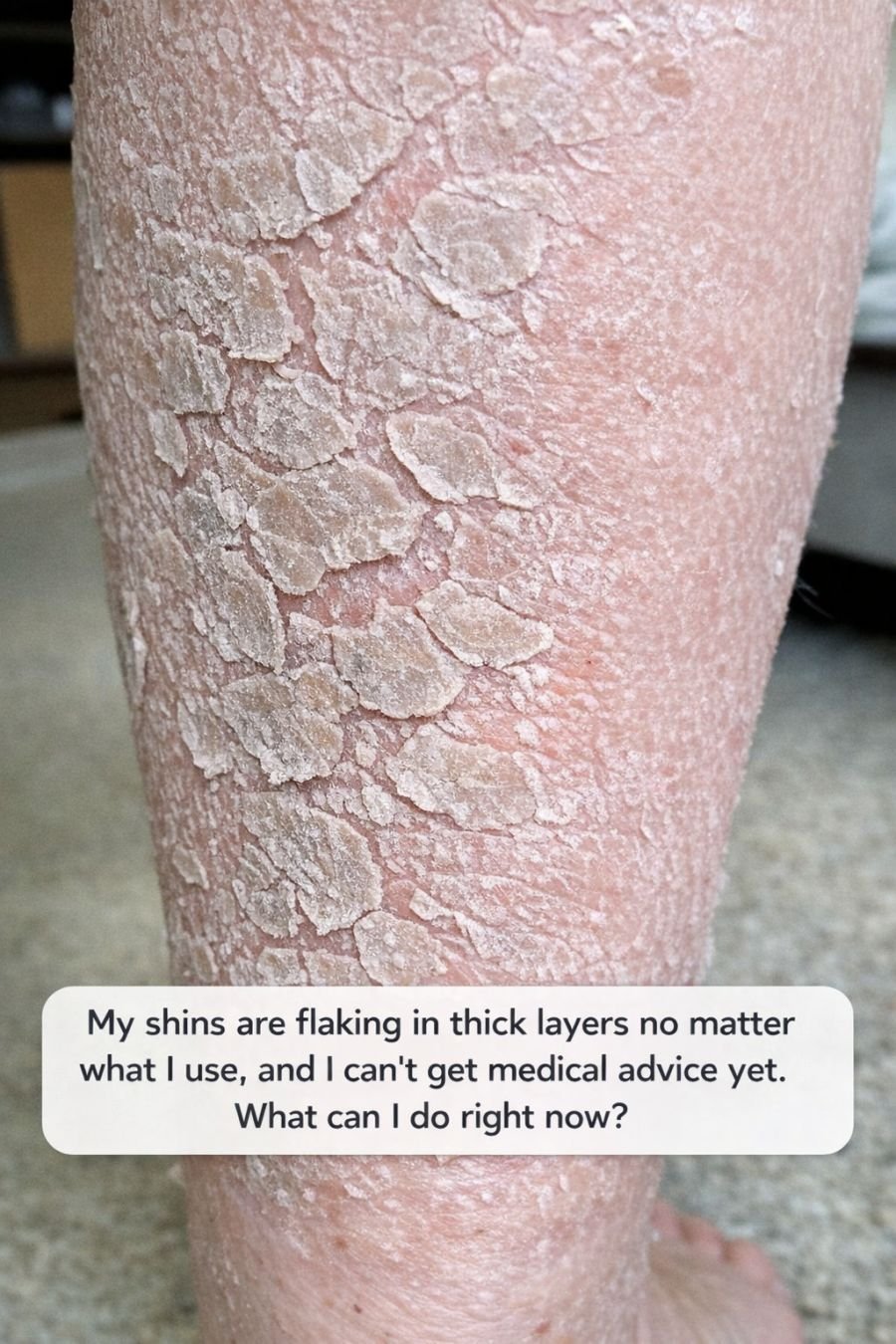
Dealing with persistent skin issues can be both uncomfortable and frustrating, especially when medical advice isn’t immediately accessible. Flaking skin on the shins, in particular, can become an irritating and sometimes painful condition that disrupts daily life. While waiting to consult with a healthcare professional, there are several steps you can take to manage and possibly alleviate the symptoms at home.
Understanding the potential causes and solutions for thick layers of flaking skin on your shins is crucial. This guide aims to provide practical advice and interventions you can try right now to improve your skin’s condition. Remember, these suggestions are meant to provide temporary relief and should not replace professional medical advice for a proper diagnosis and treatment plan.
1. First, Rule Out Emergencies You Shouldn’t Ignore
Before diving into self-care solutions, it’s important to ensure that your condition isn’t part of a more serious underlying issue that requires immediate attention. Check for signs such as intense pain, swelling, redness, or a rash that spreads quickly, which could indicate an infection or another serious condition like cellulitis. If you notice symptoms like fever or the flaking is accompanied by open sores or pus, seek medical attention as soon as possible.
Another condition to rule out is deep vein thrombosis, which can cause pain and swelling in the legs. If you notice these symptoms, especially if they appear suddenly, consider it a medical emergency and seek immediate care. Knowing when to seek urgent help is crucial in preventing complications.
2. What Thick, Persistent Shin Flaking Might Actually Be
Thick, persistent flaking can result from a variety of skin conditions. Common causes include eczema or psoriasis, which are chronic conditions characterized by dry, flaky skin. Eczema may cause red, inflamed patches, while psoriasis can lead to thick, silvery scales.
Other potential causes include ichthyosis, a genetic condition that results in dry, scaly skin, and xerosis, which is simply extremely dry skin. Environmental factors such as cold weather or low humidity can exacerbate these issues, making it important to consider your surroundings when evaluating your skin’s condition.
3. Simple At-Home Checks To Understand Your Skin Better
Begin by examining the texture and color of the flaky skin. Is it more like fine dandruff, or are the flakes thicker and scalier? Fine flakes may suggest dryness, while thicker scales might indicate a condition like psoriasis. Note any accompanying symptoms such as itching or redness.
Keep a diary of when the flaking worsens or improves, noting environmental conditions, dietary changes, or new products used. This information can be invaluable when you eventually consult a healthcare provider. Additionally, consider doing a patch test with any new product on a small area of skin to ensure it doesn’t worsen your condition.
4. Switch to the Right Cleanser and Ditch What’s Making It Worse
Using the wrong cleanser can strip your skin of its natural oils, worsening dryness and flaking. Opt for a gentle, hydrating cleanser that is free of fragrances and harsh chemicals. Look for products labeled ‘for sensitive skin’ or ‘hypoallergenic’.
Avoid soap-based cleansers which can be drying, and instead, try oil-based or cream-based options. It’s also important to rinse thoroughly and pat your skin dry with a soft towel to avoid further irritation.
5. Build a ‘Slugging for Shins’ Routine With Heavy Moisturizers
Slugging, a skincare trend involving the use of an occlusive agent to lock in moisture, can be adapted for your shins. After showering, while your skin is still damp, apply a thick layer of a heavy moisturizer like petroleum jelly or a thick cream containing ceramides.
Cover your shins with a soft cloth or cotton wrap to enhance absorption. This method helps to seal in moisture and can significantly reduce flaking. Repeat this routine daily, ideally before bed, to maximize its benefits.
6. Use Urea, Lactic Acid, and Other Power Ingredients Safely
Urea and lactic acid are known for their effectiveness in treating dry and flaky skin. Urea helps to retain moisture and can soften thickened skin, while lactic acid acts as a gentle exfoliant that encourages skin renewal.
Start with low concentrations of these ingredients to assess your skin’s tolerance. Apply them as directed, usually once a day, and be cautious about over-exfoliating, which can lead to irritation. Pair these treatments with a good moisturizer to maintain skin hydration.
7. Gentle Exfoliation Tricks for Thick, Plate-Like Scaling
Exfoliation can help remove dead skin cells, but it’s important to do it gently to avoid damaging the skin. Use a soft washcloth or a non-abrasive sponge to lightly exfoliate the area during a shower.
Consider using a chemical exfoliant containing alpha hydroxy acids (AHAs) like glycolic acid, which can penetrate the skin and help reduce scaling. Always follow up with a moisturizer to protect the newly revealed skin layer.
8. Clothing, Heat, and Shower Habits That Quiet the Flaking
Wear loose-fitting, breathable clothing made of natural fibers like cotton to minimize irritation. Tight clothing can rub against your skin and exacerbate flaking.
Take shorter, lukewarm showers instead of hot ones, as hot water can strip your skin of its natural oils. After showering, apply a moisturizer while your skin is still damp to lock in moisture.
9. Diet, Hydration, and Supplements That May Support Your Skin
Hydration plays a crucial role in skin health. Aim to drink at least 8 glasses of water a day to keep your skin hydrated from the inside out. Incorporate foods rich in omega-3 fatty acids, such as fish or flaxseeds, which can help improve skin barrier function.
Consider taking supplements like vitamin D and biotin, which are known to support skin health. However, it’s best to consult with a healthcare provider before starting any supplement regimen.
10. Smart Ways to Track Symptoms Until You Can See a Doctor
Keep a detailed journal of your symptoms, noting any changes in your skin’s condition, triggers, and reliefs. Include photographs to document the progression or improvement, which can be helpful for future medical consultations.
Note any new products or changes in your environment that might correlate with changes in your symptoms. This information can provide valuable insights and aid in the diagnosis and treatment process when you eventually see a healthcare professional.
11. How to Ask for Help Sooner: Telehealth, Pharmacies, and Low-Cost Clinics
If you cannot see a doctor in person, consider scheduling a telehealth appointment where you can discuss your symptoms and receive professional advice remotely. Many dermatologists offer virtual consultations that can provide immediate guidance.
Local pharmacies often have knowledgeable pharmacists who can recommend over-the-counter treatments and advice on skin care. Look for low-cost clinics in your area that offer affordable healthcare services, as they can be a valuable resource for getting the help you need sooner.