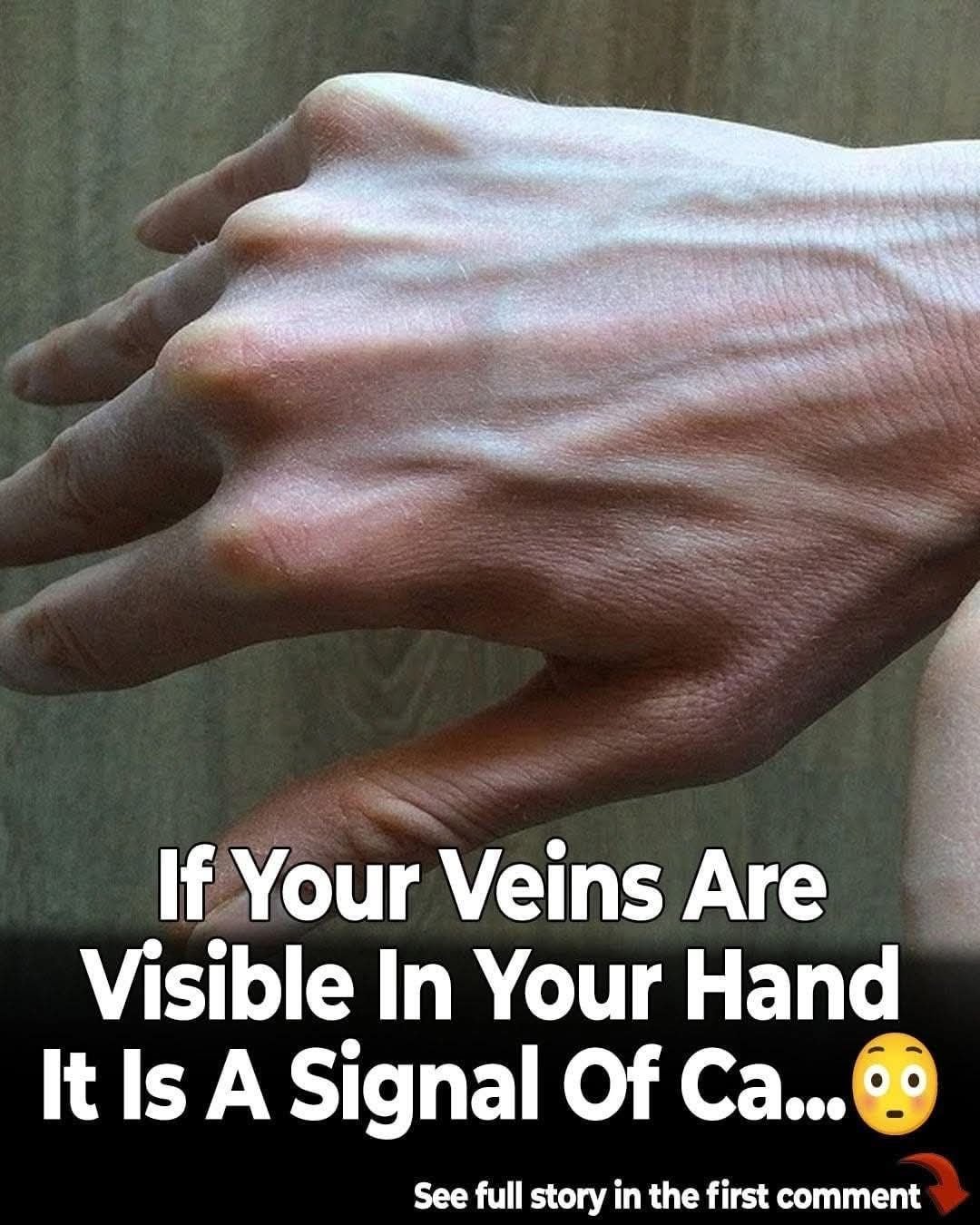
While visible veins might not look appealing, they are often harmless. Exercise, heat exposure, tight clothing, certain skin tones, and time spent in the sun can all cause veins to bulge temporarily. Age, excess weight, and genetic factors also make veins more likely to stand out. These enlarged, twisting veins typically sit right beneath the skin — most commonly on the legs and feet. In more uncommon cases, however, bulging veins may signal a more serious condition such as blood clots. If visible veins come with pronounced discoloration or discomfort, it’s important to seek medical advice.
Understanding What Causes Bulging Veins
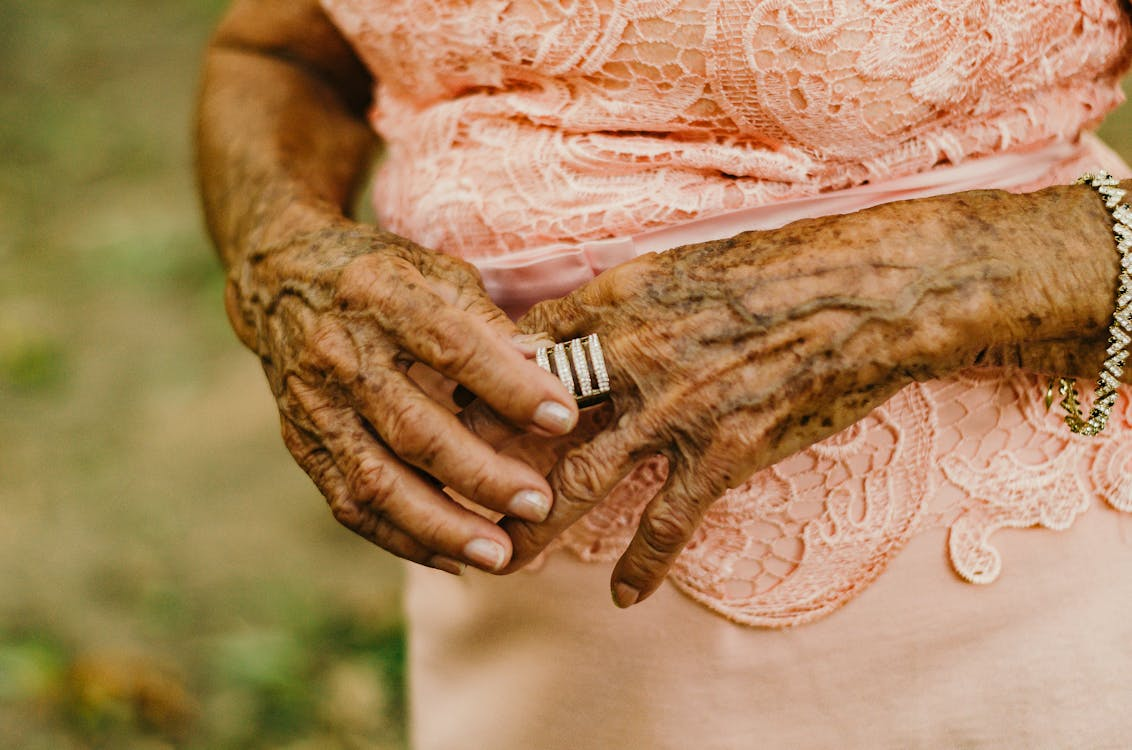
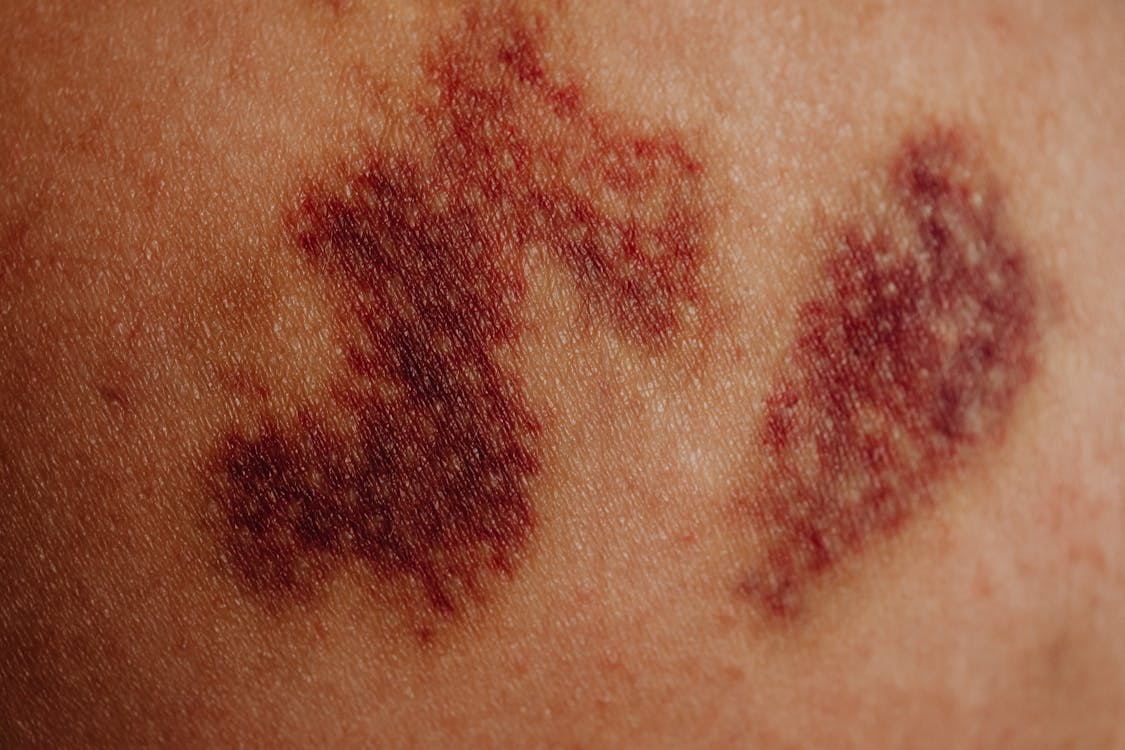

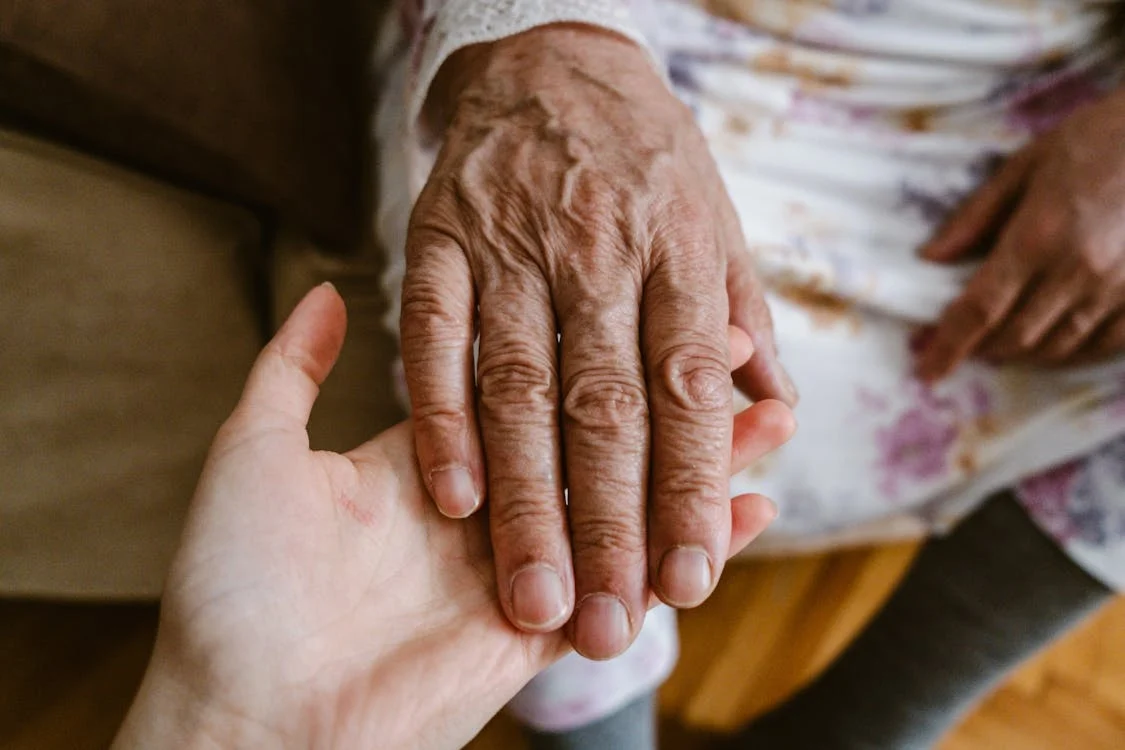

Certain people face a higher chance of developing bulging veins throughout life. Genetics strongly influence vein strength, meaning family history plays a major role. Research also shows women are twice as likely as men to develop varicose veins, mainly due to hormonal fluctuations. Being overweight adds stress to leg veins, narrowing the space blood has to move through. Age remains one of the most powerful factors — by 50, almost 40% of women and 20% of men experience significant vein-related issues.
Possible Complications of Untreated Bulging Veins
Although spider veins are generally harmless, untreated varicose or bulging veins can lead to serious medical problems. When the veins cannot return blood efficiently to the heart, chronic venous insufficiency may develop, causing long-term swelling and skin damage. One of the most severe consequences is venous ulcers — slow-healing, open wounds that form near the ankles due to poor circulation. These ulcers can easily become infected without treatment.
Blood clots are another serious risk. Surface veins may develop superficial thrombophlebitis, while deep vein thrombosis affects deeper veins and can be life-threatening. A pulmonary embolism — when a clot travels to the lungs — can be fatal without immediate care.
How to Prevent Bulging Veins
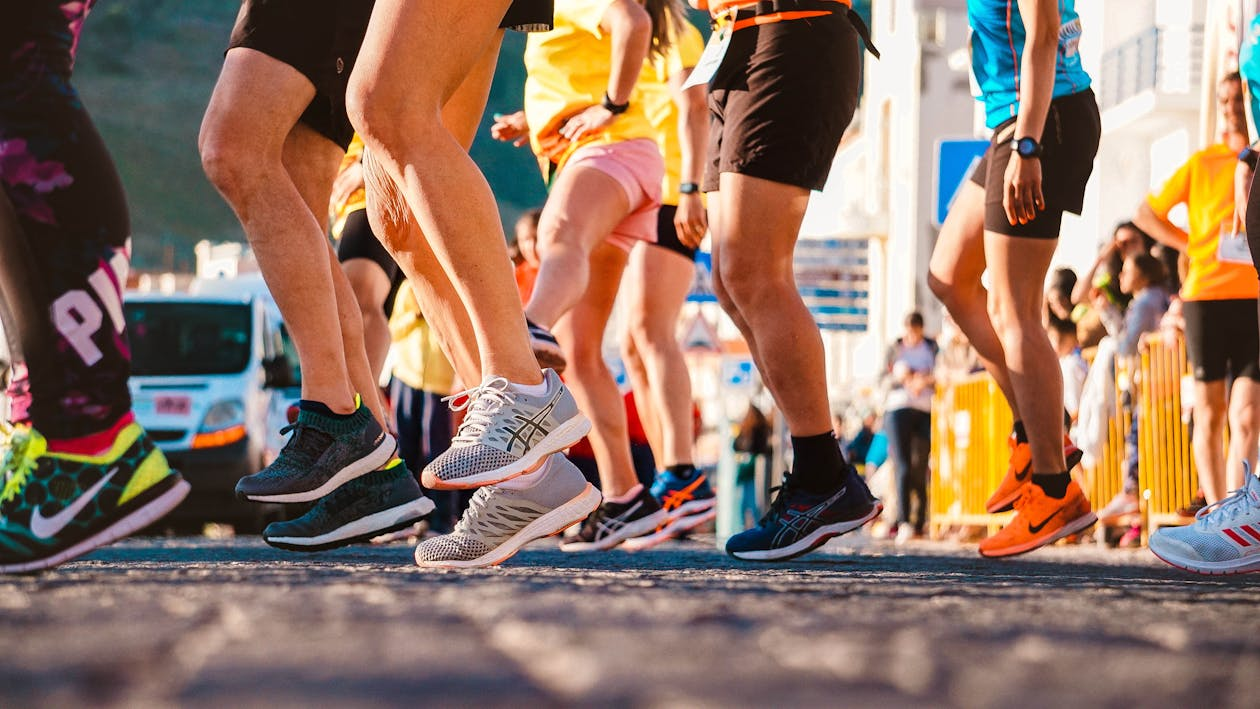
While genetics can’t be changed, lifestyle choices can lower the risk or delay progression. Regular exercise boosts circulation and strengthens the muscles that support venous flow. Taking breaks from prolonged sitting or standing helps prevent pressure buildup. Managing a healthy weight reduces strain on the veins. Compression stockings are useful during long periods of inactivity, such as flights. Elevating the legs while resting and avoiding restrictive clothing around the waist or thighs also support healthy blood flow.
When to Seek Medical Care
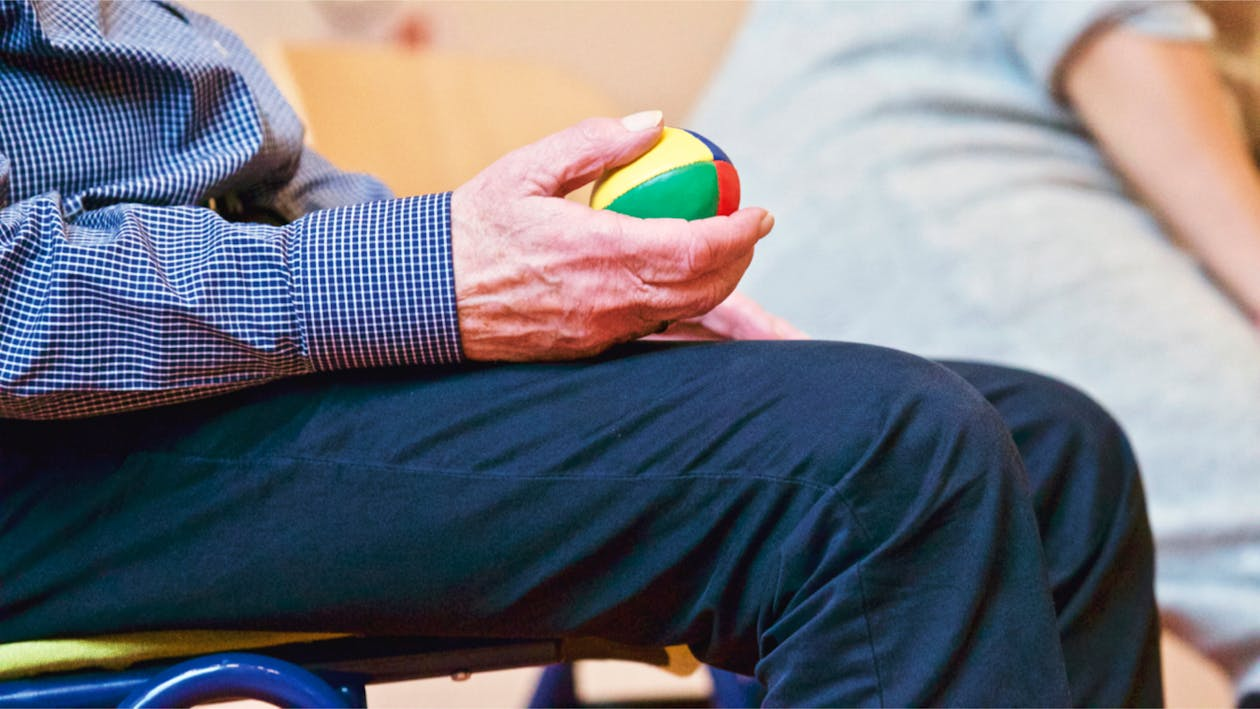
Spider veins are usually harmless, but varicose or bulging veins can become dangerous when ignored. Sudden swelling, pain, or warmth in the leg could indicate deep vein thrombosis — a medical emergency. Any skin ulcers or wounds near swollen veins require prompt attention to avoid infection. Even minor bleeding from bulging veins should be treated as urgent. Changes in skin tone or texture around affected areas can signal worsening venous insufficiency. Anyone experiencing pain, swelling, or limits to daily activities due to bulging veins should consult a specialist for evaluation and management.